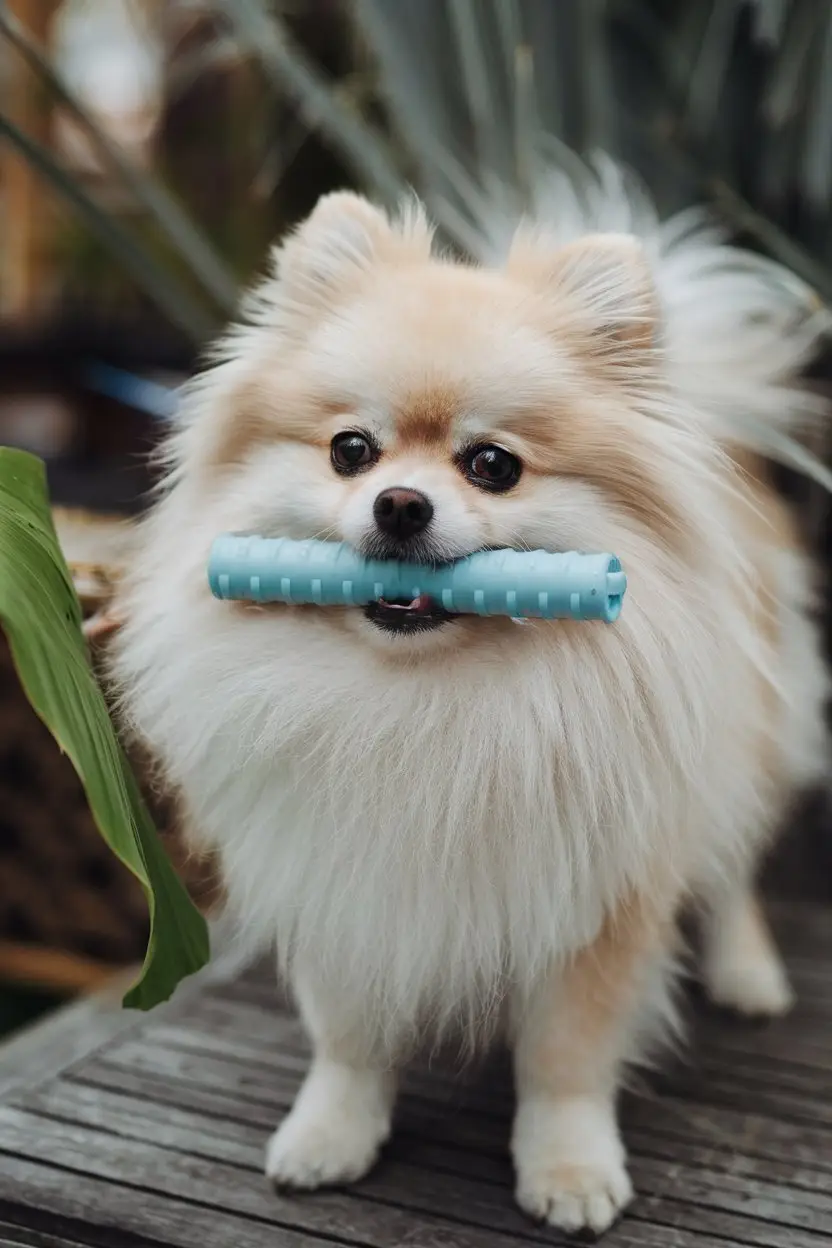
Finding the right harness for a Pomeranian is one of the most important kit decisions you’ll make as an owner. The short answer: skip the collar for daily walks and use a well-fitted harness — ideally one designed to protect the trachea, since Pomeranians are prone to collapsed trachea. The recommendations below are based on real experience walking Sash, plus input from breed-specific guidance and veterinary advice.
What I’ve Learned Walking Sash
- Pomeranians need harnesses that sit away from the throat — collar pressure on a Pom’s neck is a genuine health risk, not just a comfort issue.
- Fit matters more than brand — a harness that gaps, rubs, or allows escape will cause problems no matter how well-reviewed it is.
- There are trachea-safe, escape-proof, and lightweight options that suit Pomeranians specifically, and this article covers all three types.
Why Harnesses Matter More for Pomeranians Than Most Breeds
Pomeranians have delicate throats. The American Kennel Club notes that toy breeds are significantly more susceptible to tracheal collapse — a condition where the cartilage rings of the windpipe weaken and flatten, causing coughing, breathing difficulty, and distress. Any pressure on the neck from a collar or poorly designed harness can worsen this over time.
When I first brought Sash home, I made the rookie mistake of clipping her lead to her collar for a short garden walk. She pulled forward, coughed, and looked at me like I’d personally offended her. That was the last time. Within a week I had a proper harness sorted, and the difference was immediate — no coughing, no fuss, and she actually seemed to enjoy walks more without that pressure on her throat.
Beyond tracheal health, harnesses also give you better control of a small, fast, occasionally deranged fluffball without yanking their tiny body around. For Pomeranian safety on walks, a harness is simply the better tool.
What to Look for in a Pomeranian Harness
Trachea-Safe Design
Look for harnesses where the chest strap sits across the sternum (breastbone), not the throat. The leash attachment point should be on the back or chest — never at the throat. H-style and vest-style harnesses generally do this well. Step-in harnesses can work too, provided the fit is correct.
Secure Fit That Prevents Escape
Pomeranians are Houdinis. Their fluffy coats can mask how slim they actually are underneath, and a harness that looks snug can still allow a panicked Pom to back out and bolt. Look for adjustable neck and chest straps, and always do the two-finger test — you should be able to slide two fingers under any strap, but no more.
Weight and Comfort
Sash weighs around 3.2kg. Putting a bulky, heavy harness on a small dog like her would be like strapping a rucksack to a child. Lightweight mesh or soft nylon options are ideal — they move with the dog rather than restricting them.
Easy to Put On and Take Off
If getting the harness on turns into a wrestling match every single morning, you’ll start skipping walks. Sash is patient, but she has a limit. Buckle-style harnesses with multiple adjustment points are generally the easiest to use with small fluffy dogs.
Types of Harnesses Suitable for Pomeranians
| Harness Type | Best For | Trachea Safe? | Escape Risk |
|---|---|---|---|
| H-Style / Step-In | Calm walkers, everyday use | Yes, if fitted correctly | Medium — needs proper fit |
| Vest / Padded Harness | Cold weather, sensitive skin | Yes | Low — covers more surface area |
| Back-Clip Harness | Leisurely walks, light pullers | Yes | Medium |
| Front-Clip Harness | Dogs who pull | Yes — keep clip off throat | Low |
| Figure-8 / Head Collar | Not recommended for Poms | No | High |
Best Harnesses for Pomeranians
This post contains affiliate links — I only recommend products I’d use with Sash.
Puppia Soft Harness — Best Everyday Option
The Puppia Soft Harness is probably the most popular choice among toy breed owners, and for good reason. It’s made from breathable air-mesh, the back-clip keeps all pressure away from the throat, and it’s available in extra-small sizes that actually fit Pomeranians properly. Sash wore a Puppia for over a year before we switched to a vest style for winter walks.
- Pros: Lightweight, breathable, widely available, affordable, no throat contact
- Cons: Some Poms can back out if not sized precisely; the single neck adjustment means fit isn’t always perfect for every body shape
Gooby Escape Free Harness — Best for Escape Artists
If your Pom has ever reversed out of a harness mid-walk (genuinely terrifying), the Gooby Escape Free is worth every penny. The design wraps around the torso with no gap for them to wiggle back through, and the soft foam padding means it’s comfortable against their skin under all that fluff. The leash clips at the back, well clear of the trachea.
- Pros: Escape-proof design, padded, trachea-safe, good range of small sizes
- Cons: Slightly more faff to put on than a simple step-in; warmer than mesh options in summer
Ruffwear Web Master — Best for Active Poms
This one is more of a serious outdoors harness, and it’s built to last. If you hike with your Pomeranian or take them somewhere with unpredictable terrain, the Web Master gives you a handle on the back for lifting them over obstacles, plus a secure multi-point fit. It’s on the pricier side, but the quality is genuinely excellent.
- Pros: Extremely secure, top handle for lifting, very durable, back-clip placement
- Cons: Overkill for short pavement walks; more expensive than everyday options; can feel bulky on a very small Pom
Chai’s Choice 3M Reflective Harness — Best for Evening Walks
Visibility matters if you’re walking at dusk or dawn, and Chai’s Choice builds 3M reflective strips directly into a well-designed padded harness. The front and back clip options give you flexibility, and the sizing goes small enough for Pomeranians. The padded chest plate distributes any pressure evenly across the sternum, not the throat.
- Pros: High visibility, padded, dual clip options, well-priced
- Cons: Some owners report the sizing runs slightly large at the small end — measure carefully
How to Measure Your Pomeranian for a Harness
Sizing is where most people go wrong, especially with Poms whose thick double coats make them look bigger than they are. Here’s how to do it properly:
- Measure the girth — the widest point of the chest, just behind the front legs. This is your most important measurement.
- Measure the neck — around the base of the neck where a collar would sit.
- Weigh your Pom — many brands use weight as a secondary sizing guide.
- Check the brand’s specific size chart — don’t assume XS means the same thing across different manufacturers.
- If your Pom falls between sizes, size up and adjust the straps — a slightly larger harness can be tightened; one that’s too small cannot be made to fit safely.
Fitting the Harness Correctly
Once you’ve chosen a harness, fitting it correctly is non-negotiable. Run through this checklist every time:
- Two fingers should slide under every strap — snug, but not tight
- No part of the harness should press against or sit near the throat
- The harness should not shift sideways when your dog moves
- Your dog should be able to move their legs freely without the harness riding up into their armpits
- Check the fit again after a few weeks — puppies grow, and adult dogs can fluctuate in weight
I do a quick fit check on Sash every time I clip her lead on. It takes about ten seconds and means I’m not finding out mid-walk that something has shifted or loosened.
Frequently Asked Questions
Can Pomeranians wear a collar instead of a harness?
A collar is fine for holding ID tags, but it should not be used as the primary attachment point for a lead. Pomeranians are prone to tracheal collapse, and repeated pulling pressure on the neck can contribute to this condition worsening over time. Always walk your Pomeranian on a harness and reserve the collar for identification only.
What size harness does a Pomeranian need?
Most adult Pomeranians fit into an XS or S harness, but sizing varies significantly between brands. The most reliable approach is to measure your dog’s chest girth — the circumference just behind the front legs — and compare it directly against the manufacturer’s size chart. Never guess based on weight alone.
How do I stop my Pomeranian from escaping their harness?
The most common cause of harness escapes is incorrect sizing or a design that doesn’t account for a dog backing up. For Poms, look for harnesses described as escape-proof, such as the Gooby Escape Free, which wraps around the torso without a gap. Always double-check the fit with the two-finger rule before every walk.
Are vest harnesses better than step-in harnesses for Pomeranians?
Both can work well, but vest-style harnesses tend to distribute pressure more evenly and are harder to escape from, making them a solid choice for Pomeranians. Step-in harnesses are easier to put on but rely more heavily on precise sizing. The best harness is ultimately the one that fits your individual dog correctly and that they’re comfortable wearing.
How often should I replace my Pomeranian’s harness?
Check the harness regularly for fraying straps, cracked buckles, or stretched adjustment points. A harness that no longer holds its adjusted position, or shows visible wear on any of the load-bearing components, should be replaced immediately. For active dogs or daily walkers, inspect harness hardware every few months at minimum.
Vet note: The information in this article is based on personal experience and general breed guidance. It is not a substitute for professional veterinary advice. If your Pomeranian shows signs of coughing, breathing difficulty, or discomfort during walks, consult your vet before changing equipment or continuing regular exercise.
Check current pricing on the harnesses mentioned above — availability and costs change, so it’s worth comparing before you buy. You might also want to read up on common Pomeranian health problems to understand why the right equipment choices matter so much for this breed.